
3 years of ARTESA – more projects, more communities, more chances for children
 Theodor Gorovei
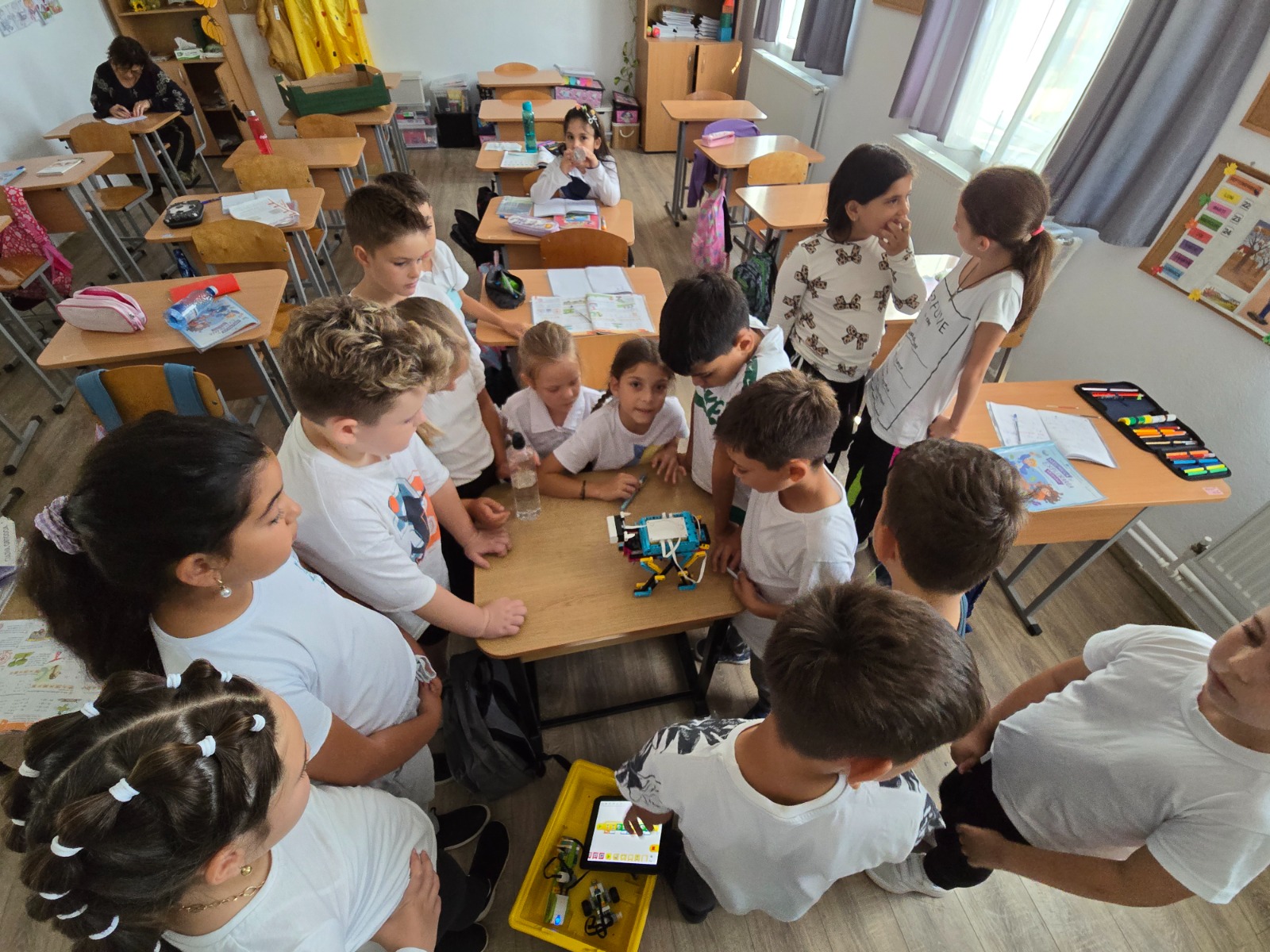
The Association of Robotics, Educational Technologies and Applied Sciences ARTESA has turned 3 years old.
Three years doesn't seem like a lot, but when you look back, you see that quite a lot fits into them: trips taken with a trunk full of boxes and robots, children who got their hands on a robotics kit for the first time, teams that made it to national and international competitions, partnerships and projects that, at first, existed only as an idea on a sheet of paper or in a conversation.
In these three years, ARTESA has reached 26 national and 8 international projects, and the number of beneficiary children has reached 990.
These are important numbers for us, but they don't tell the whole story.
I don't say, for example, how much it means to a child the first time they see a robot actually do what they programmed it to do. I don't say how much it means to a team to participate in a competition after months of work. I don't say what happens in a classroom when children go from wonder to concentration and then to that very serious joy that comes when they begin to understand what they have to do.
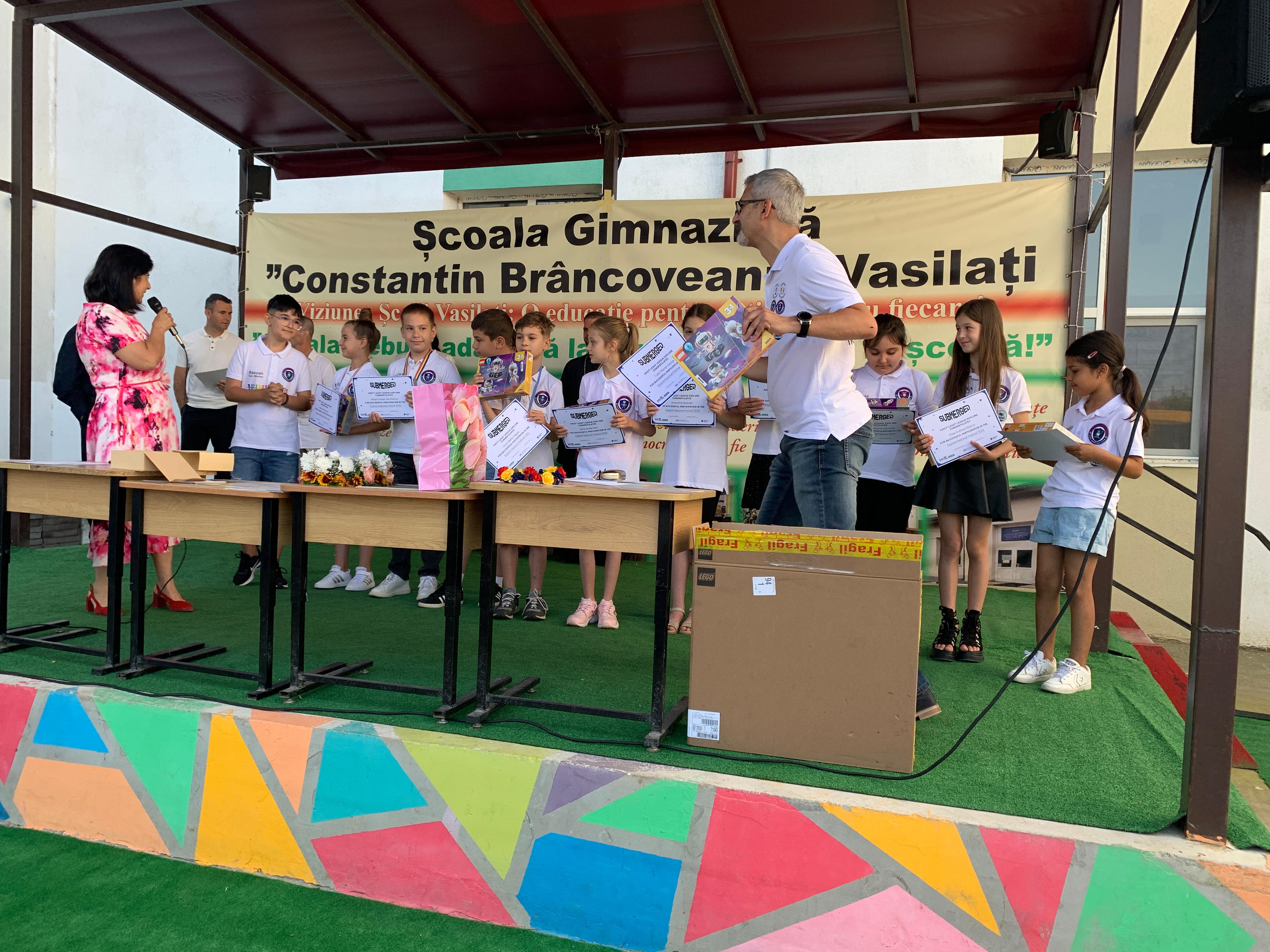
In the last year, ARTESA has continued to move in both directions that define our activity: performance and equal opportunities.
On the one hand, we were once again present in national and international competitions, alongside children who worked, tested, presented, lost, won, and grew from one competition to another.
On the other hand, we continued to work where access to such activities does not exist and where the first thing to be built is not a robot, but the context in which a child can start.
Here, the past year was an important one for RuralBots Initiative.
We organized second edition of the Rural Summer Camps, and the program of workshops during the school year has expanded to other communities: Mitreni, Red Valley and Clatesti. This means, in reality, more schools where children started working consistently, more workshops, more logistics, more meetings and more responsibility. But it also means something very simple: more children who had access to educational experiences that, until recently, they didn't even know existed.
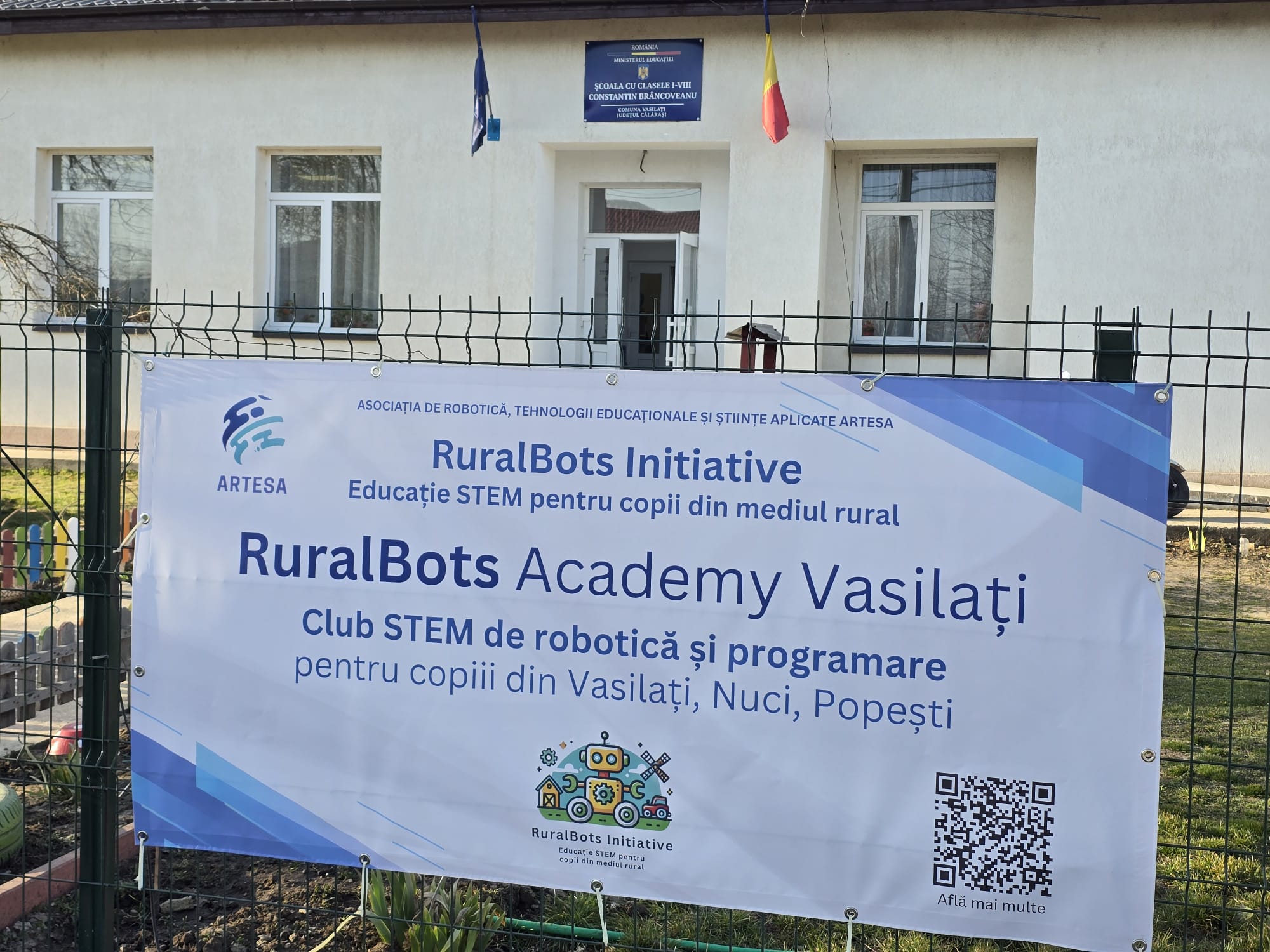
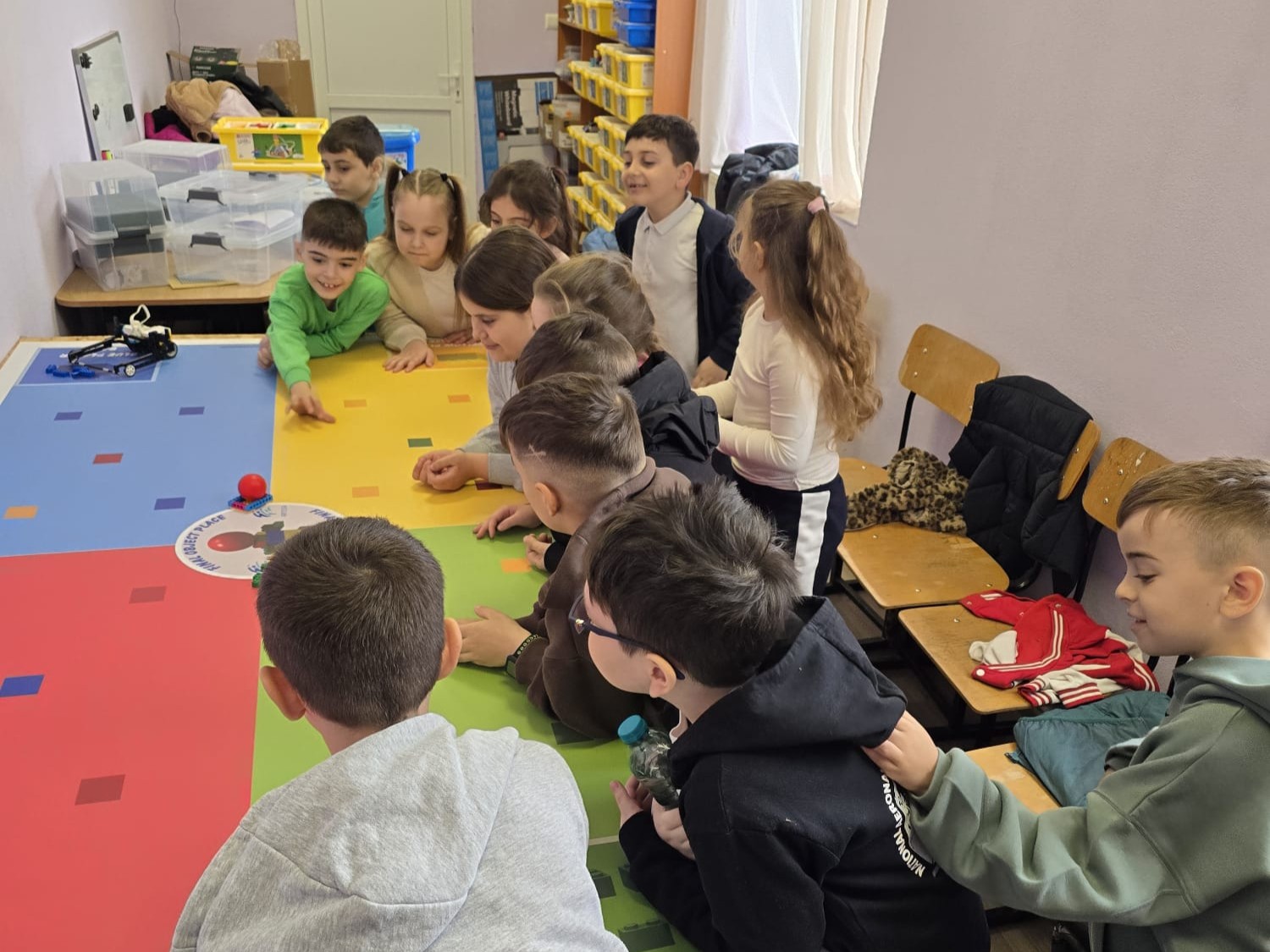
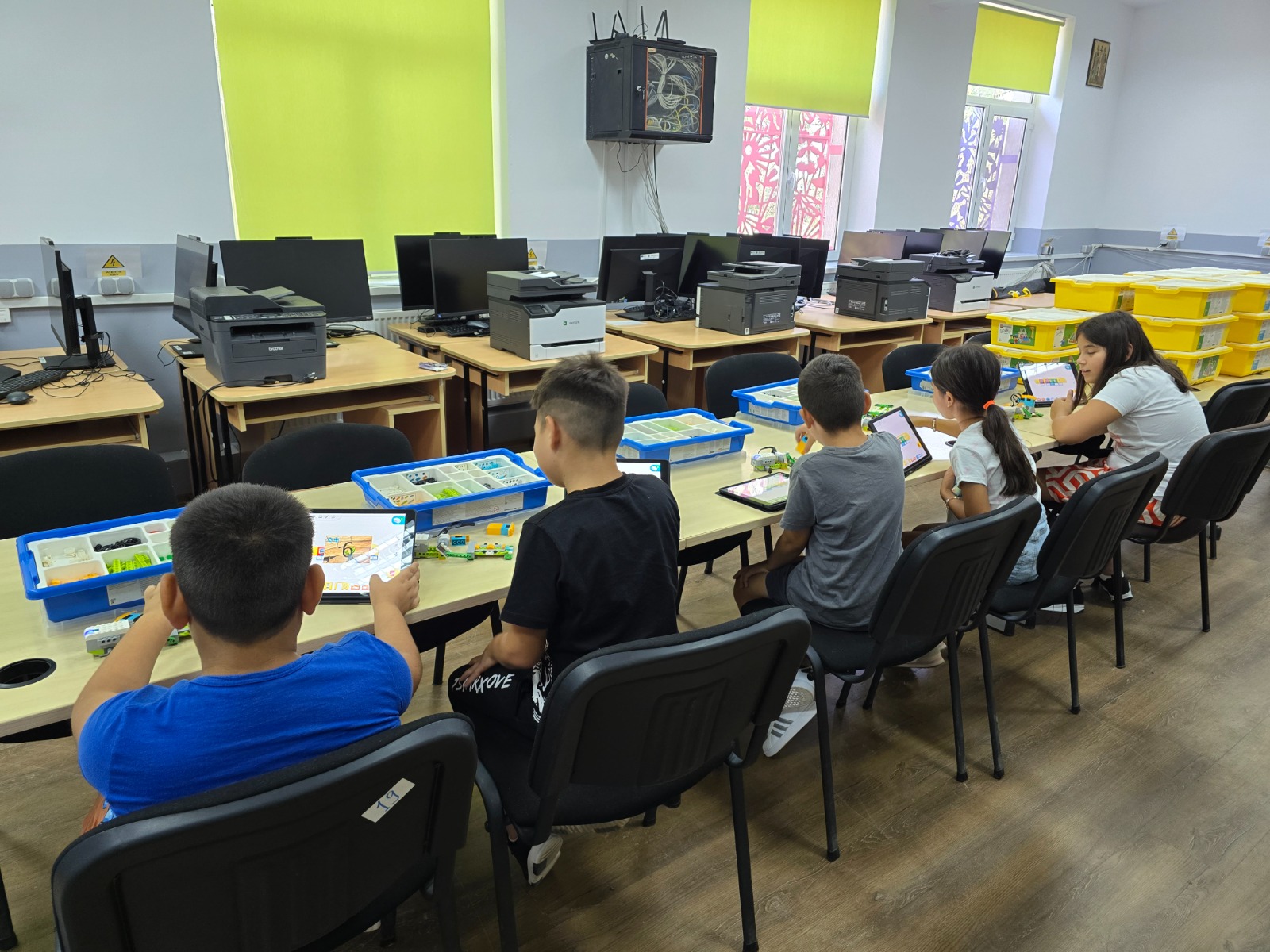
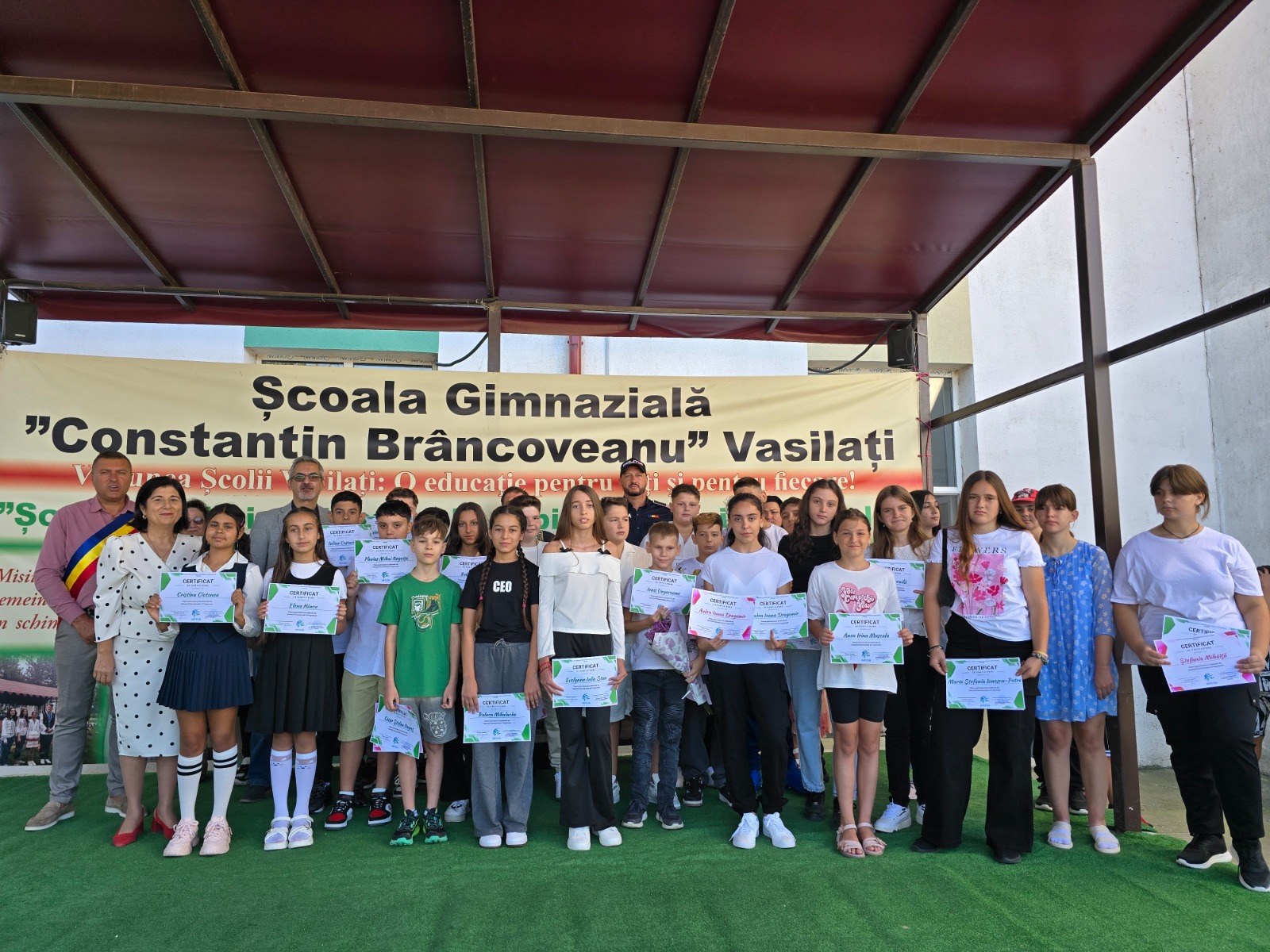
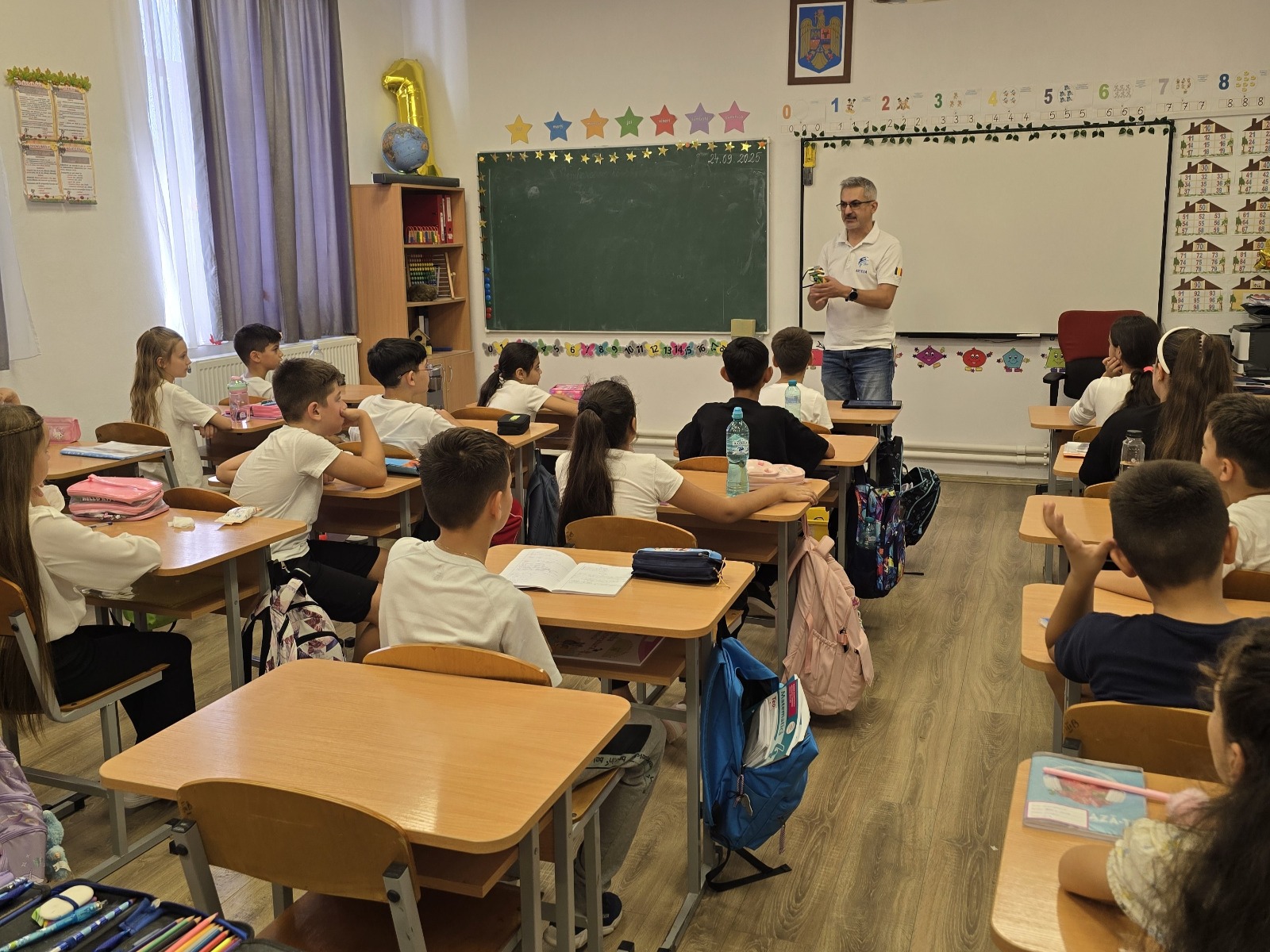
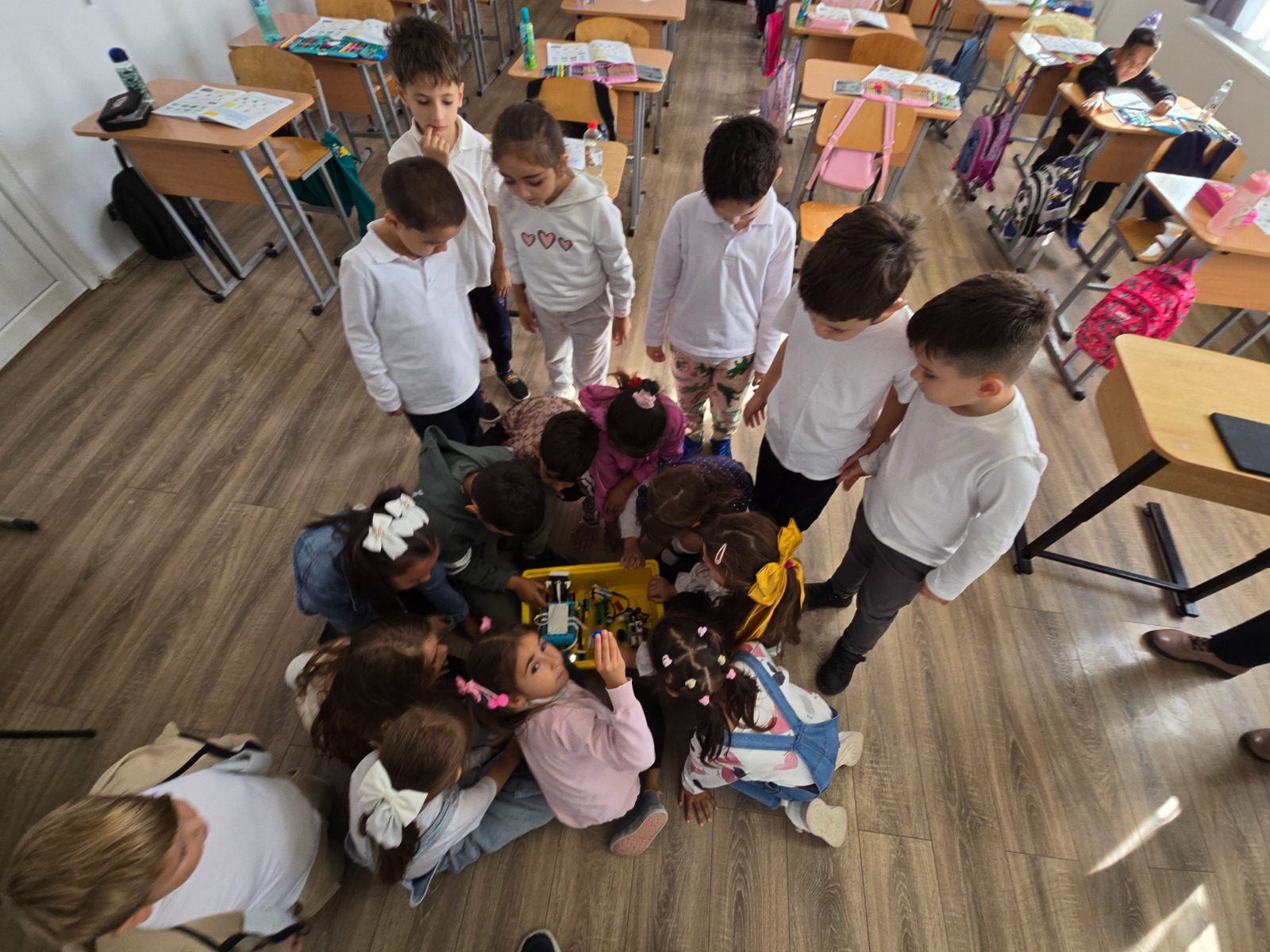
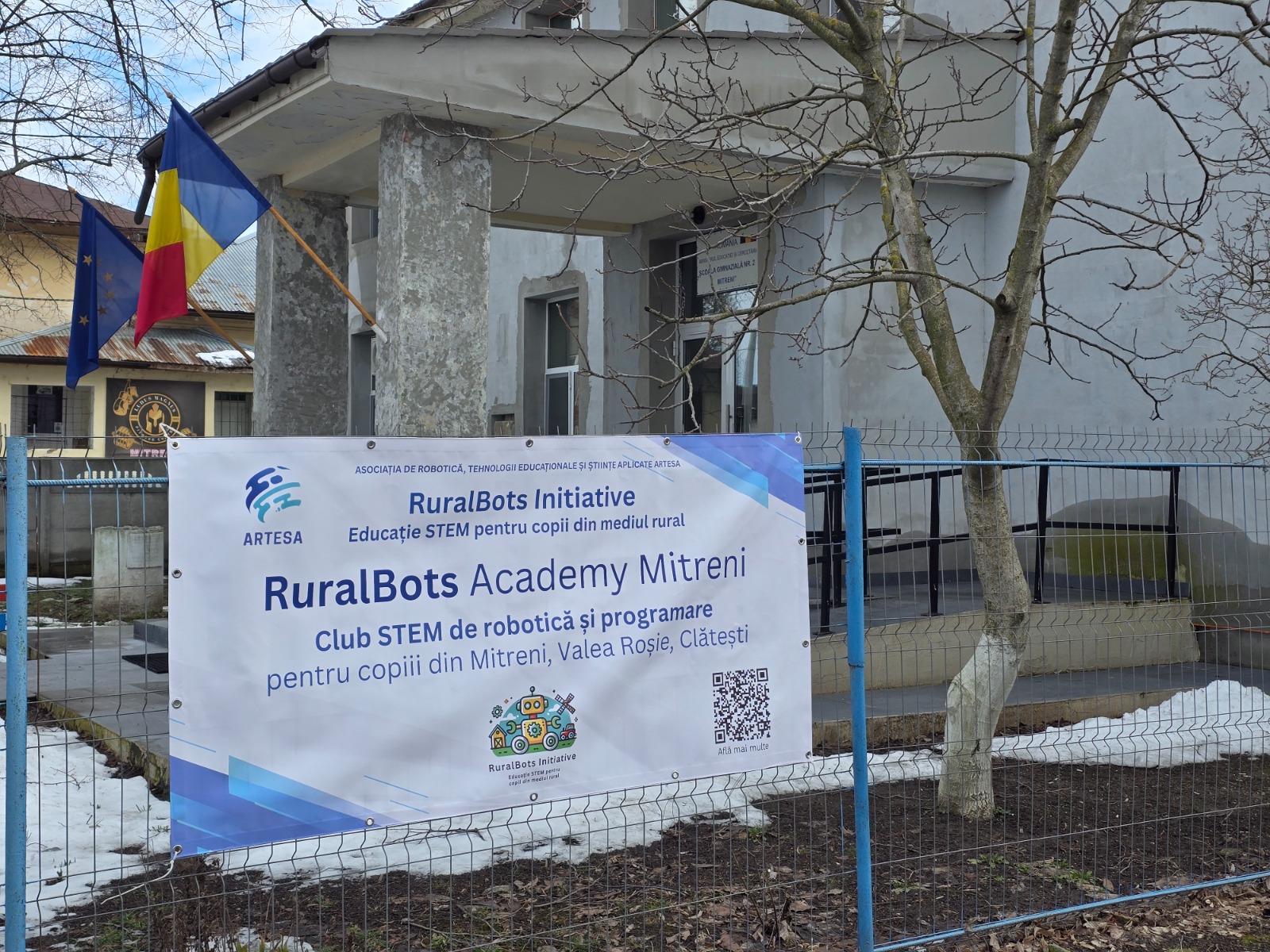
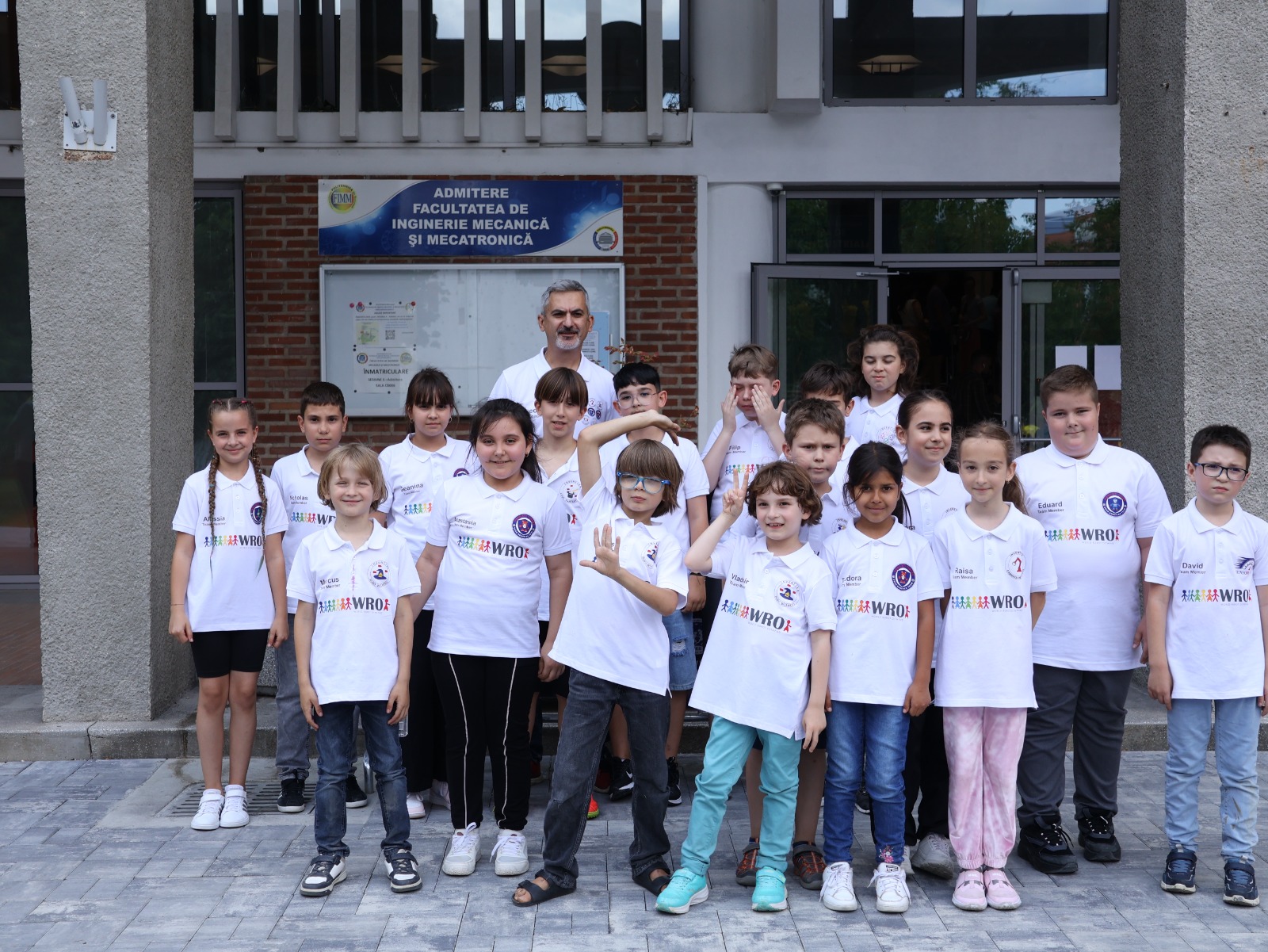
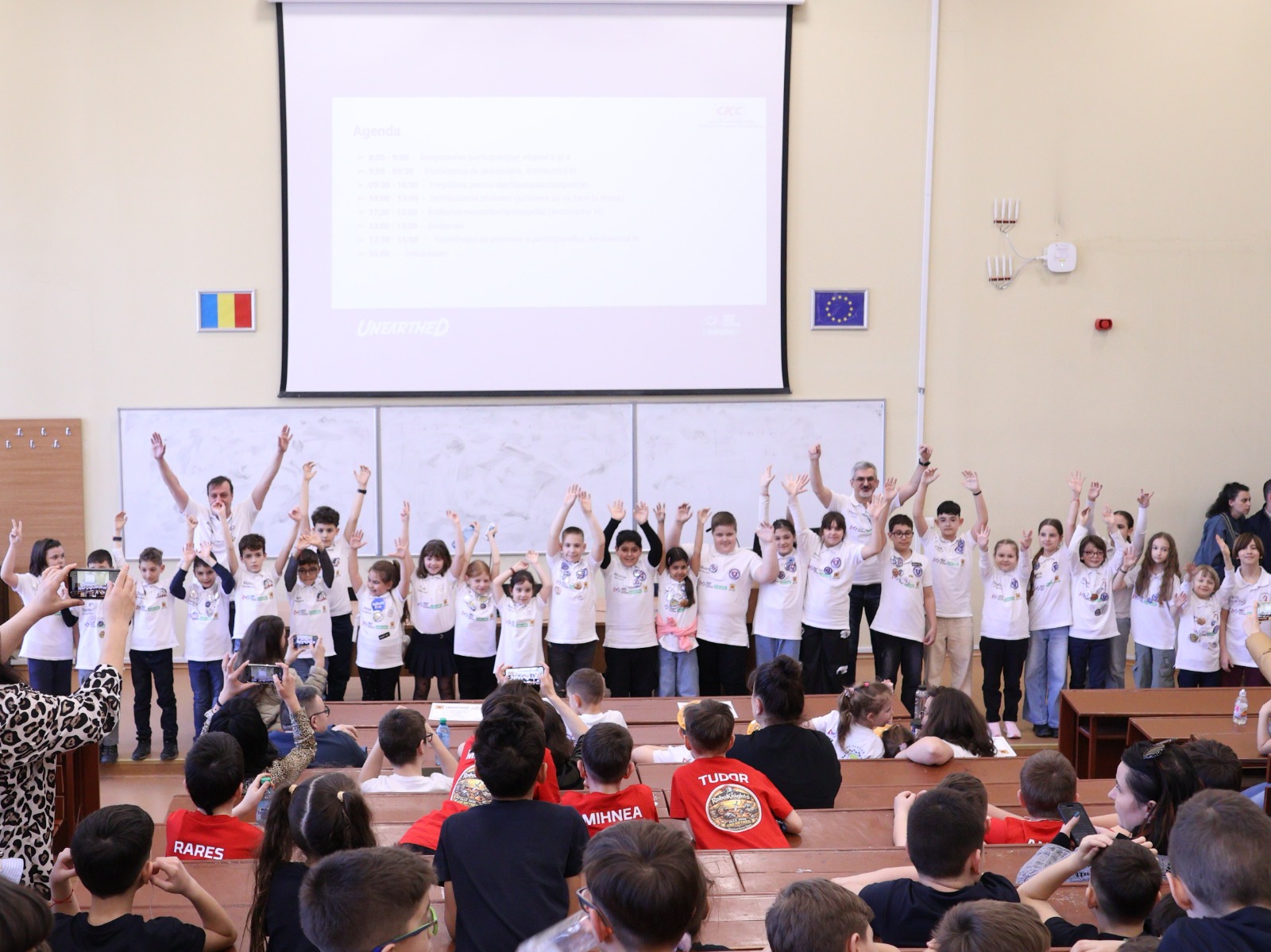
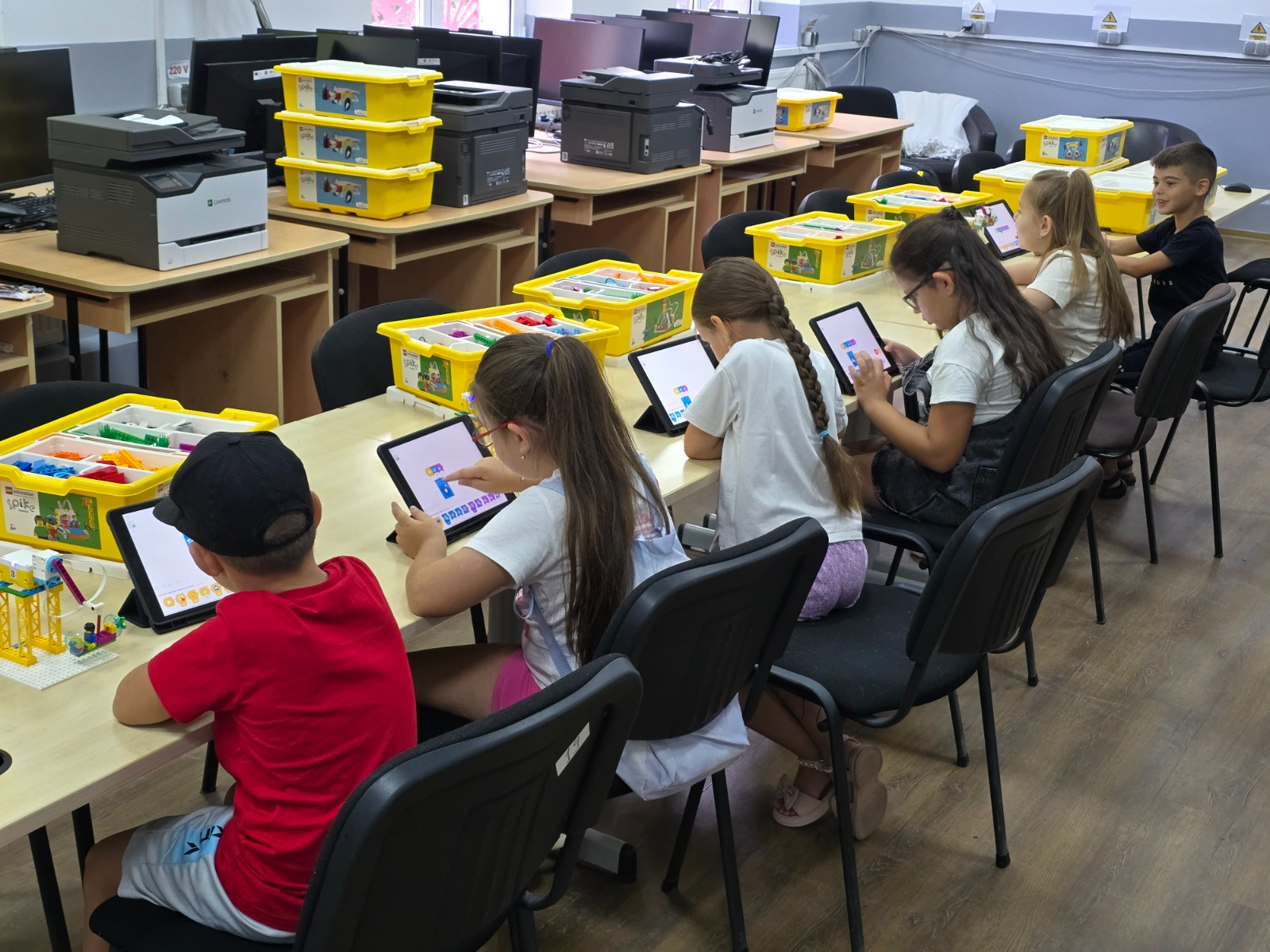
At the same time, the fact that the RuralBots Initiative has been written about in publications such as Edupedu, IQads and Romania Insider it showed us that this work is starting to be seen outside the communities in which we do it.
For us, visibility has never been a goal in itself, but it is important because it helps good ideas circulate and be brought to people's attention.
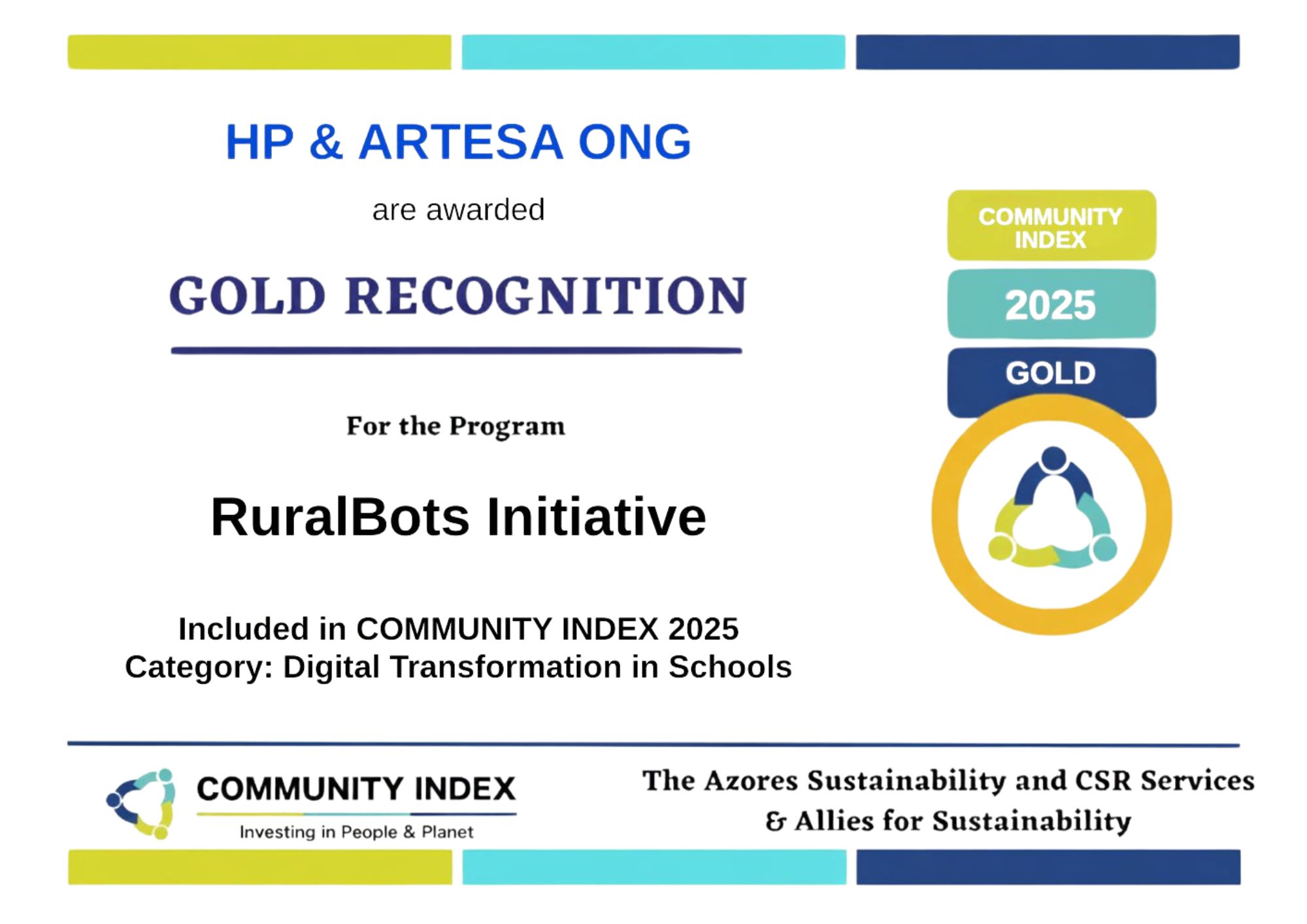
Also in this year of existence, ARTESA received the Gold Recognition award in the Digital Transformation in Schools category, within Community Index. We were happy with this recognition not so much as a trophy, but as a sign that work done consistently, even when it is not spectacular on the surface, is noticed.
Also during this period, we also launched RuralBots Open Championship, a national robotics competition organized in Vasilați. For us, this has a special meaning, and not just because it is a new competition, but because it shows that a project started in a rural community can grow to the point where it itself becomes the host of a national competition, probably the first of its kind organized in the village.
Also in the last year, an important place in ARTESA's activity was also occupied by the program Lego-Based Therapy, in which neurodivergent children participated in weekly groups, in a setting where LEGO and robotics were used not only as technical tools, but as support for collaboration, communication, initiative and emotional regulation.
If we were to say very simply what happened in these three years, perhaps this would be the essential thing: we built.
Sometimes, that meant international performance and participation.
Other times it meant a classroom where children saw for the first time what a robotics workshop looked like.
Sometimes it meant public recognition.
Other times it just meant that a child came a second time, and a third time, and started to think that his place was there.
ARTESA has grown in these three years also thanks to the people who chose to believe in this idea: partners, sponsors, teachers, parents, volunteers, coaches, local authorities who understood that such projects are worth supporting. Without them, many of the things we take for granted today would not have existed.
Three years after its founding, we do not have the feeling of a perfect journey but rather the feeling of a path that was taken step by step, sometimes faster, sometimes harder, but which remained coherent. We know better than we did three years ago what we have to do, and certainly less than we will know on our fourth anniversary.
We move forward with the same conviction with which we began: that serious technological education must exist even where it seems difficult to reach, that performance is worth supporting, and access to quality education should not be a privilege.
Three years later, ARTESA means more projects, more communities and more children than at the beginning.
But, perhaps most importantly, it means even more reason to keep going.
For all those who have been with us so far, in one way or another, there is one simple thing left to say:
Thank you! Together, we build a better world.
“If you want to support ARTESA's activity, you can do so by redirecting 3.5% from your income tax, if you are an individual, or by sponsoring or redirecting 20% from your profit tax, if you represent a company.