
RuralBots Initiative: past, present and future – Romania Insider interview
 Theodor Gorovei
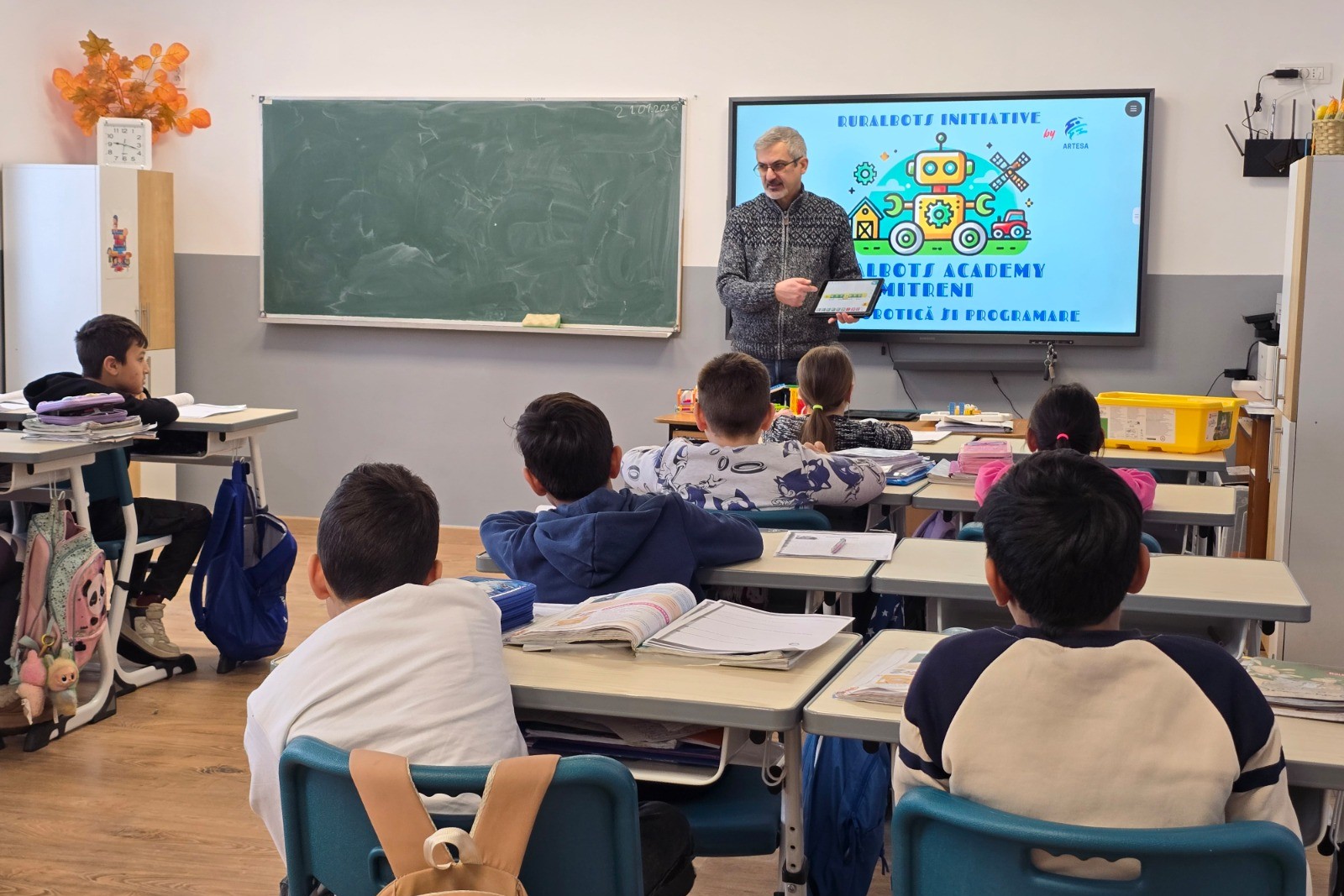
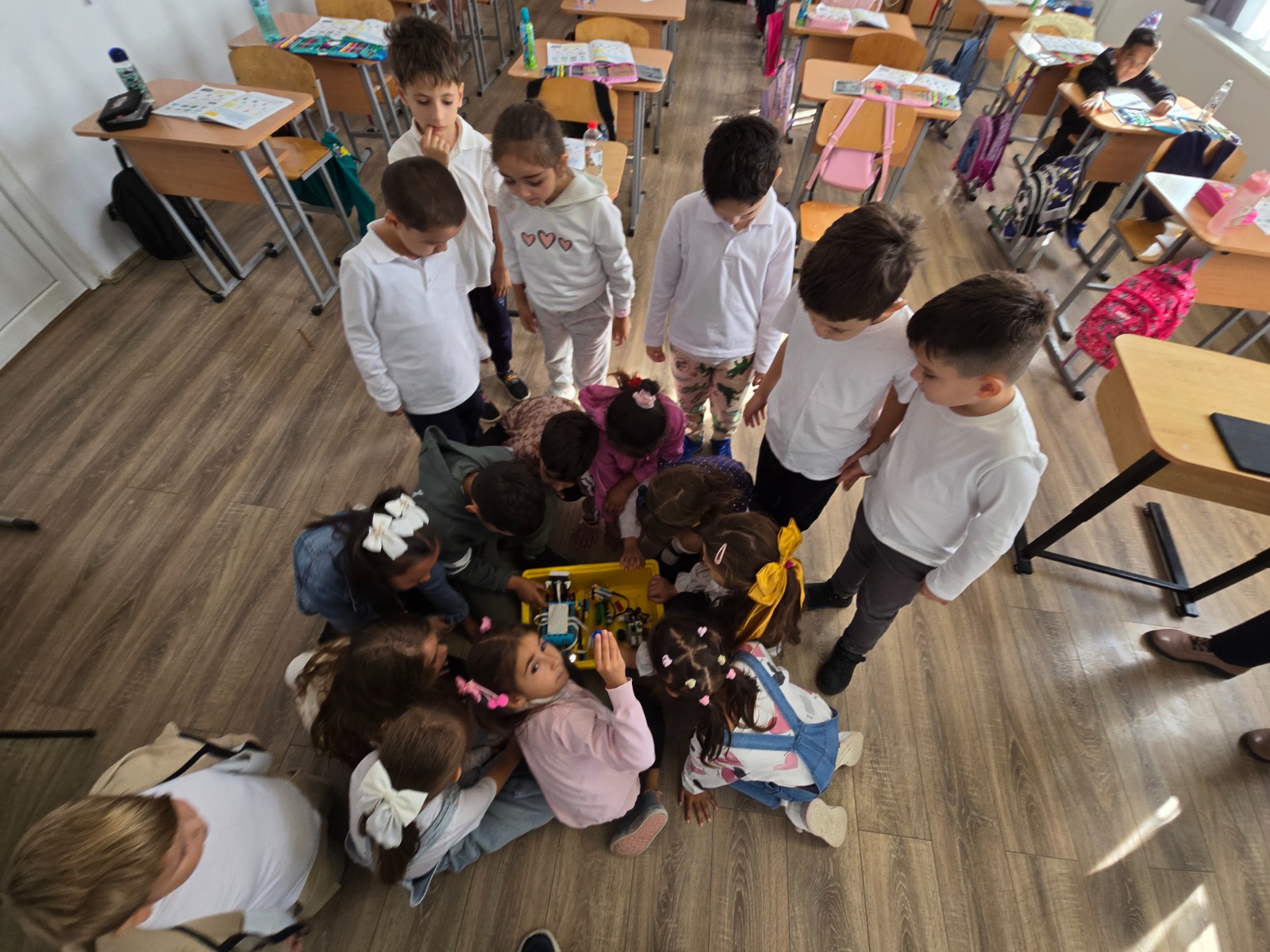
An interview about RuralBots Initiative, the STEM education program developed by the ARTESA Association, was recently published by the English-language publication Romania Insider. The material was written by journalist Simona Fodor and is based on an interview originally given in Romanian, later adapted and published in English.
The article traces the journey of the RuralBots Initiative, from its first summer camps in a rural school to its transformation into an ongoing educational program that now spans multiple communities. It addresses topics such as rural children’s access to STEM education, the importance of continuity in learning, and the real challenges of running a long-term educational program.
The interview reflects the RuralBots Initiative philosophy: STEM education should not be a privilege, but an opportunity accessible to all children, regardless of where they were born.
The RuralBots Initiative, a program that offers free robotics classes and summer camps for rural children, is expanding this month to three more rural communities. Theodor Gorovei, the project coordinator, spoke to Romania Insider about the program's beginnings, how it has grown, and its mission.
RuralBots Initiative is a program of the Association of Robotics, Educational Technologies and Applied Sciences (ARTESA), a non-profit organization founded by a group of robotics team coaches from a club in Bucharest, with the aim of supporting children passionate about robotics and technology to participate in national and international competitions.
Starting with 2024, the association expanded its activity to projects dedicated to children from rural areas and neurodivergent children.
RuralBots debuted with a summer robotics camp organized in Vasilați commune, Călărași county. „Although the town is only 30 kilometers from Bucharest, proximity to the capital does not automatically mean equal access to education,” explains Theodor Gorovei, vice president of ARTESA and the one who supports the workshops. It is a reality that the association set out to change.
Thus, RuralBots emerged – a program that offers free access to STEM education, not as an isolated activity, but as a constant endeavor, with a broader goal: replacing the fear of failure with the desire to experiment.
More details in the interview below.
The initial idea we started with was by no means a "big program". At the time of launching the pilot program, Rural Summer Robotics and Programming Camps, the lack of experience of the ARTESA Association members in what it means to manage an association did not allow us to think long-term. We are people who come from the business area, and until then we had been successful as trainers of robotics teams at a private club in Bucharest.
The objective was simple: to try to bring robotics and programming to a rural school during the 2024 summer vacation.
We thus began looking for sponsors to provide robotics kits, tablets and laptops and to support regular, free workshops for children, with a focus on practical learning, not performance or competitions. The Hidroelectrica company responded to our call, the support offered making the program possible.
The first step was taken in Vasilați, during the summer vacation, in the computer lab of the Constantin Brâncoveanu Secondary School, in whose director, Mrs. Iulia Stoica, we found an involved and open supporter, who understood the potential of such an approach.
The results exceeded initial expectations, with 208 children participating in the robotics workshops, almost half of those enrolled at the school. This interest confirmed that the problem is not a lack of curiosity or motivation, but a lack of access to such activities.
Based on these results, the program attracted the support of Mayor Cristian Vasile and local partners, who helped to continue the activity throughout the school year. The principal made consistent efforts to arrange a dedicated space, transforming a hallway between two buildings into a robotics laboratory. Thus, by the winter break of 2024, we managed to implement the Autumn Counts Robots project in the new Laboratory dedicated entirely to robotics in Vasilați.
The work carried out up to this point attracted the attention of HP, which supported the project in 2025 through a grant from the HP Foundation. This was the moment when the idea of a unified program that could be scaled and implemented in any rural locality, the RuralBots Initiative, emerged. Until the summer vacation of 2025, under the name of this master project, we ran the Robotics and Programming Hub program.
Starting with the 2025 summer vacation, we decided to structure the RuralBots Initiative project with two complementary components, RuralBots Academy, held during the school year, and Rural Summer Camps, during the summer vacation.
RuralBots started in Vasilați for a purely administrative reason, the Association's headquarters, a vacation home of one of the founders, being here.
The rural communities from which the children who study at Constantin Brâncoveanu Junior High School come are the villages of Vasilați, Nuci and Popești and represent a relevant example for the reality of many rural communities in Romania: although they are located only 30 kilometers from Bucharest, the differences in opportunities compared to the urban environment are significant, so starting an equal opportunities project here was as necessary as in a locality located several hundred kilometers from a large urban center.
Geographic proximity does not automatically mean equal access to education or opportunities.
The expansion of the program in the Mitreni commune, which includes the villages of Mitreni, Valea Roșie and Clătești, came in a different way. The implementation of RuralBots Academy Mitreni was made at the invitation of Mayor Ciprian Panait, an important signal of openness from the local administration. In reality, the interest from the authorities is an essential criterion: educational programs work in the long term only where there is support at the local level.
We decided to start the activities in Mitreni even before securing dedicated funding, using the existing facilities of the Vasilați laboratory. At this stage, the logistics will be simple but intense: the equipment will be transported with our own means, over a distance of approximately 50 kilometers round trip, for each day of the workshops. We are talking about the future because at the time of publication of this article we are in the registration period for children in the primary cycle, the workshops will start on February 23.
The challenges were predictable for an educational project developed in a rural area, but that doesn't mean they were easy to solve.
Funding was, and is, the most sensitive. The RuralBots Initiative did not start with a stable budget or secured sponsors, but through a pilot program, then developed cautiously.
It took time to demonstrate that a robotics program in rural schools is feasible, relevant, and can generate real impact, and even if these things have been proven, funding is not without emotion.
In terms of human resources, the challenge is given by the fact that RuralBots is an endurance project, carried out throughout the year, not a weekend or seasonal activity.
The volume of activity, the number of children enrolled, and the pace of the workshops (weekly for each child) require a full-time work schedule for each community, and in certain periods, even beyond this level.
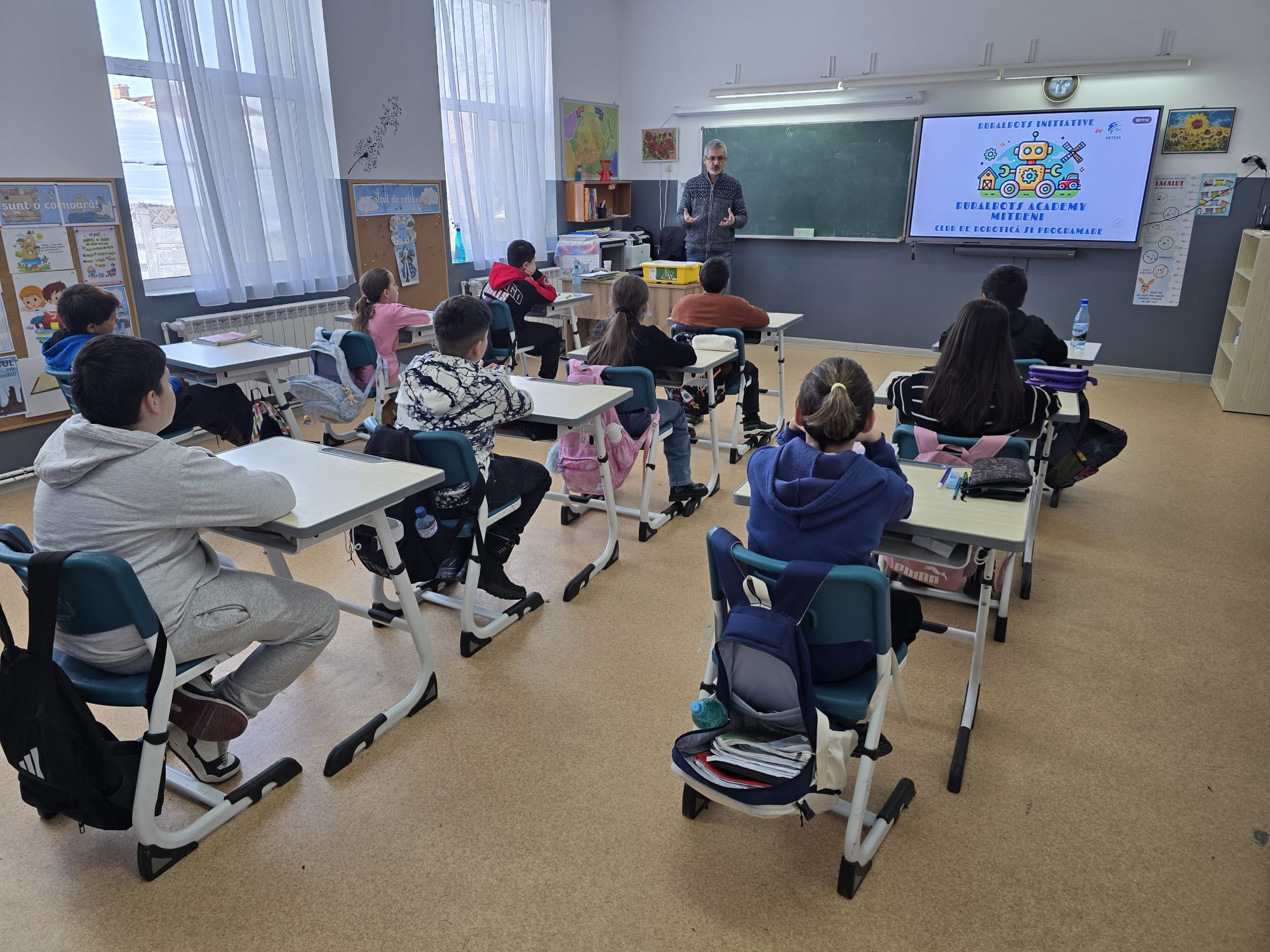
Even though the program is free for children, we wanted the STEM education offered to be quality rather than just a tick-off activity.
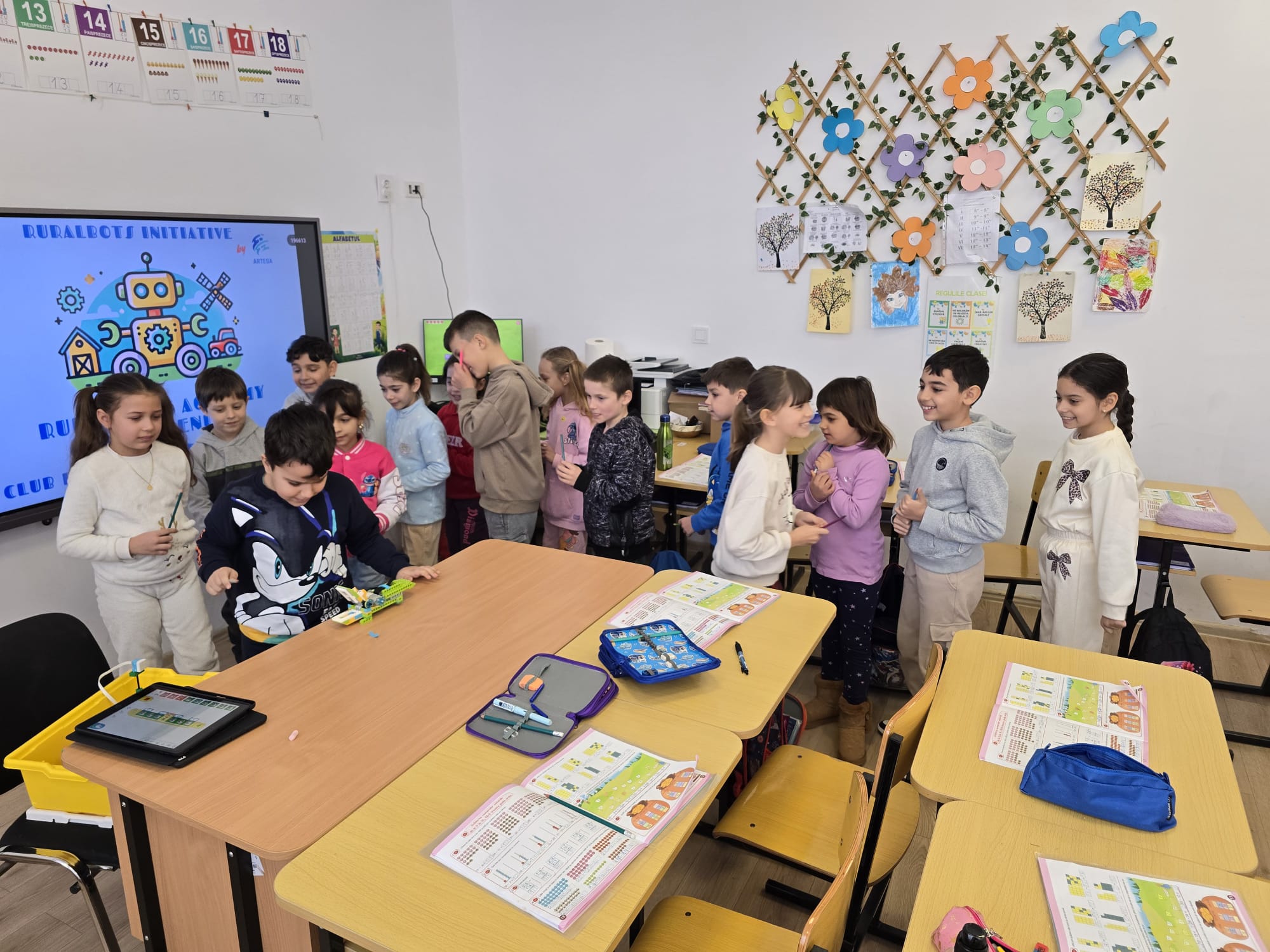
For this reason, the workshops were organized from the beginning in small groups, of a maximum of 6–7 children (there are also groups with 4 or 5 children), so that each child can receive individual attention, and ambiguities can be discussed and clarified on the spot. We considered this essential for robotics and programming to truly contribute to the personal development of children, not just to superficial familiarization with technology.
In this context, the activity cannot be supported on an occasional volunteer basis, and the formation of a stable team depends directly on funding possibilities. This challenge is also accentuated by the fact that many sponsors explicitly exclude funding for human resources, focusing mainly on equipment and materials.
For this reason, the workshops were supported by a single person, the RuralBots Initiative project manager.
The same model will be applied in Mitreni commune, where activities are currently being prepared. The program structure is designed so that it can be replicated, but at a pace adapted to the available resources.
The institutional openness was and is a good one. In both Vasilați and Mitreni communes, the collaboration with schools and local administrations created a favorable framework for the development and, respectively, for the future implementation of the program.
In conclusion, the main challenge was to build a stable educational program in a context with limited resources, without compromising on the quality and consistency of the activities.
The expression "equal opportunity lumps" appears even in first article published on the ARTESA website, with the announcement of the Rural Summer Robotics and Programming Camps, in Vasilați, in May 2024.
What was then, if you will, a premonition that later proved true, is that this program was not designed for a single community. As it worked, produced results, and gained structure, it proved to be replicable. Expanding the RuralBots Initiative to other rural communities, such as Mitreni, is a natural continuation.
In this sense, the "bulgarian" means the ability of the RuralBots Initiative project to be taken over and adapted in similar contexts, using the same principles: free access for as many children in rural areas as possible, continuity, early STEM education, and collaboration with the school and local administration.
Barriers in rural areas remain consistent.
The first is the lack of early access to STEM education, with many children reaching middle school or high school without ever having had contact with robotics or programming, which creates gaps that are difficult to recover later.
A second barrier is the lack of stable programs, with one-off or short-term initiatives, even well-intentioned ones, not being enough to produce real change. STEM education needs rhythm and continuity.
Another barrier is one of perception: the idea that robotics or technology is not for village children or girls. It's not a technical barrier, but a cultural one, which affects both children and the adults around them.
Last but not least, there are structural barriers related to financial, human and logistical resources, which make it difficult to expand such programs.
Essentially, what started as a local initiative in Vasilați has become a model that can be replicated in other rural communities. This is the lump of equal opportunity we were talking about.
For children in urban areas, demo classes mean building a robot themselves, programming it, and seeing if they like it or not. In rural areas, however, things are different. Here, demo classes are primarily presentations: children see a robot for the first time, what it can do, and how its behavior can be changed by modifying the program.
For most children in the village, robotics is a completely new thing. Many have never seen an educational robot before and don't know what it means to program something. For this reason, the demo classes are not practical workshops, but moments of familiarization, in which the robot moves, reacts differently and does seemingly simple things, and the children begin to understand that they could build and control it themselves.
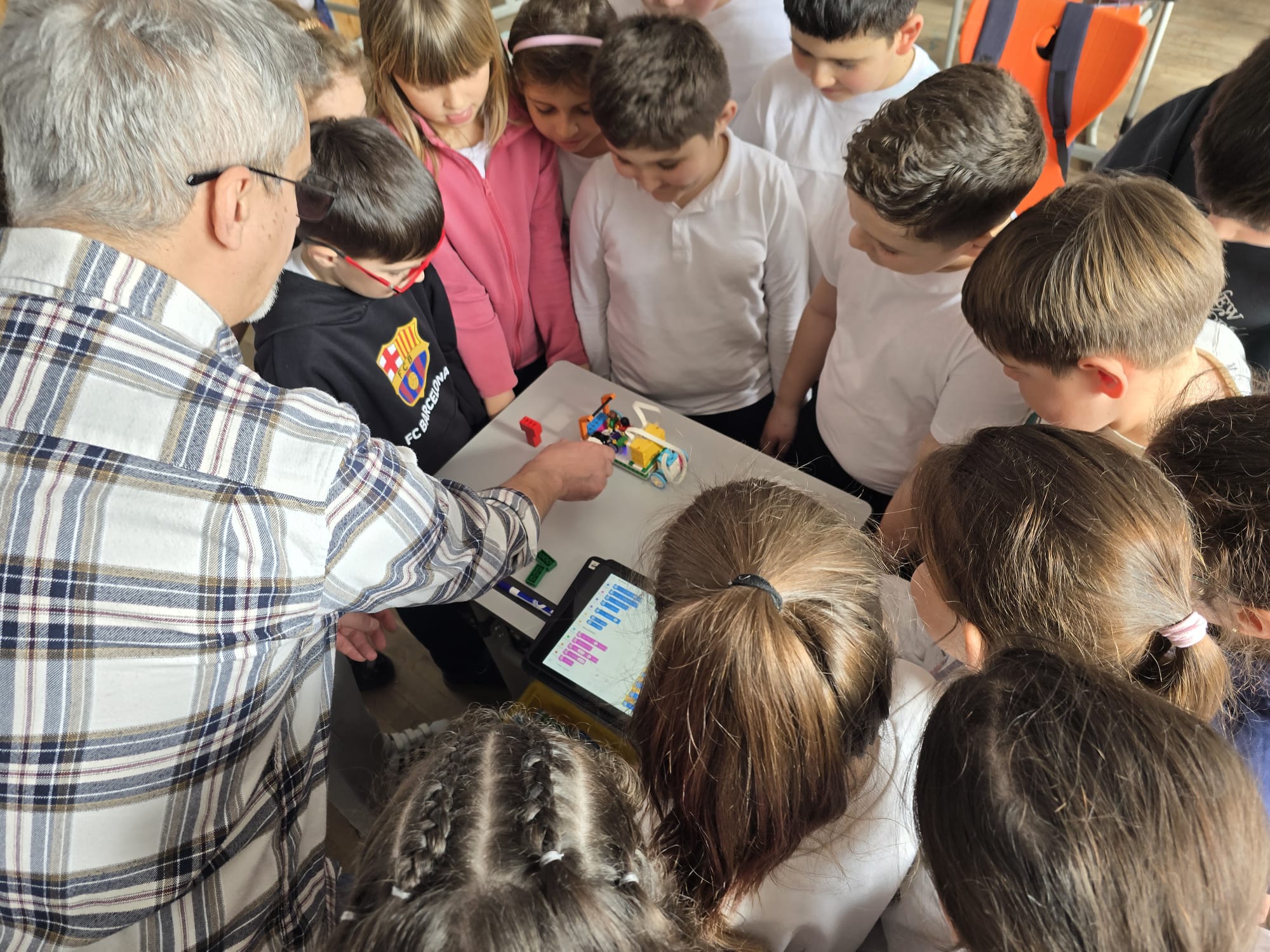
What's almost always surprising is the reaction of children when they see that the same robot can do completely different things just by changing a few instructions. This is also one of the stereotypes, the idea that the robot does only one thing. Children are starting to understand that technology is something that can be learned.
There is also the perception that robotics is complicated or reserved only for good kids in school. Demo classes also help to dispel this idea. The fact that the robot responds immediately to program changes makes things accessible and easy to follow, even for children who have not had contact with educational technology before.
A common question that arises is when teachers and professors ask what the selection criteria are for participating in workshops. They are surprised to learn that there are no criteria: any child who wishes to participate is welcome, including children at risk of dropping out of school. For us, this is a fundamental principle, STEM education should not be a privilege, but an open opportunity.
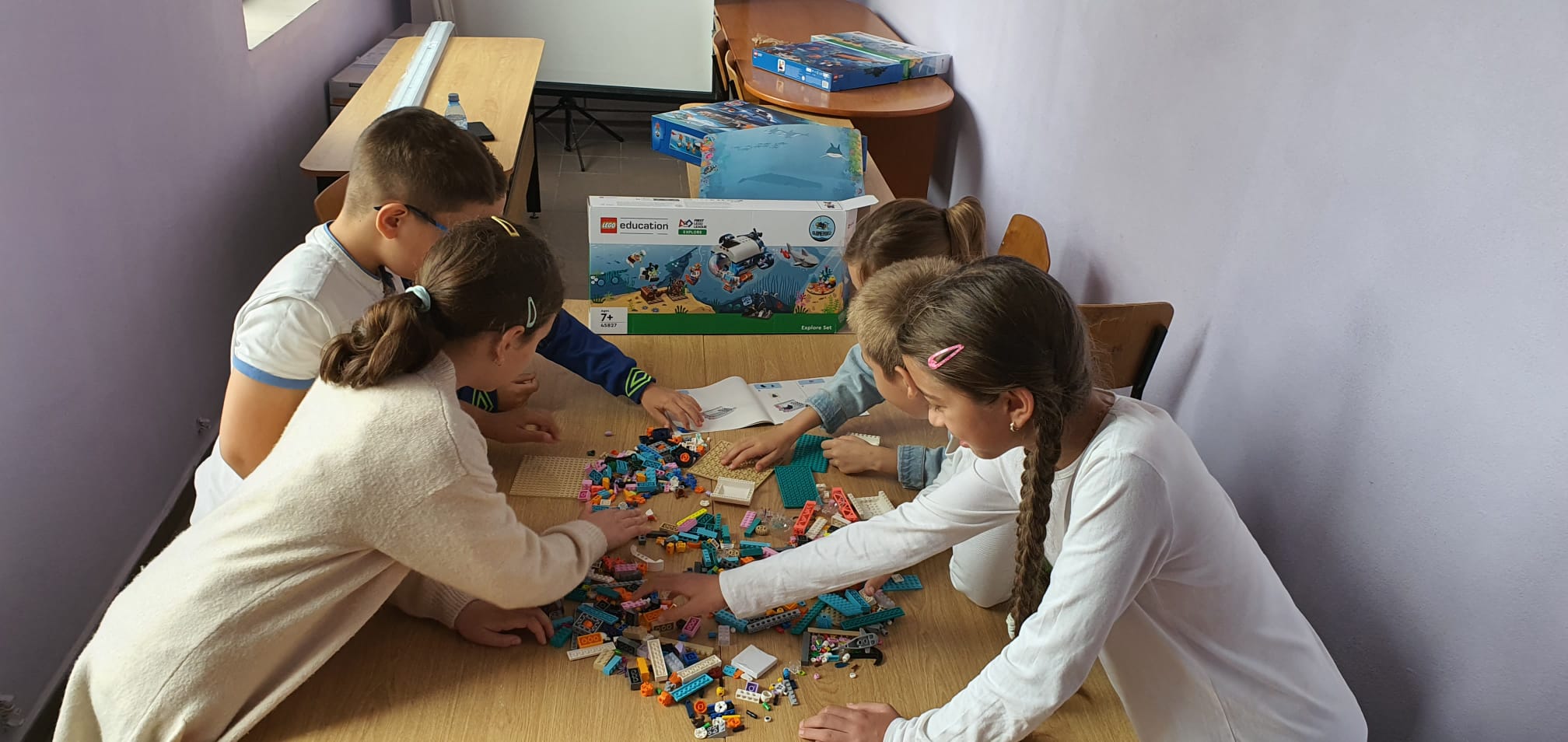
A robotics lesson within the RuralBots project looks different depending on the school year and the children's level of experience. The content and working methods are adapted to the age, so that the activities are accessible, but at the same time educationally relevant.
For primary school children, the lesson usually starts with a discussion based on the real world. We talk about things they can observe or discuss at school: pollination, earthquakes, volcanoes, recycling of materials, what speed or force means, for example. Based on these ideas, the children then build a robot according to a diagram that symbolizes the topic discussed.
After the construction stage, the basic instructions and the initial program of the robot are explained to them. It is very important that the programming is visual, with the instructions being in the form of suggestive images for what they are doing. This makes it accessible even to those who have not yet learned to read or have difficulty doing so.
Next comes the part that most people love: the challenges. Children are encouraged to modify the robot's behavior themselves, changing elements in the program and immediately observing the effects. If time permits, the end of the class is reserved for free experimentation, using all the available parts and ideas.
For middle school students at the beginning, things become more structured. The robot is still built according to a scheme, and the emphasis shifts to understanding instructions and programming. Children are given clear tasks that the robot must complete, from the simplest to the most complex, which helps them develop logical thinking and problem-solving skills.
For more experienced groups of children, robotics classes usually start with a theme. They have to think about both the construction of the robot and the program that makes it work as required. Over time, these activities have resulted in surprisingly inventive constructions, which show how much children can evolve when they have the time, space, and freedom to experiment.
The expansion of the project depends on concrete things: funding, people who can support the activity, and openness, at the local level, from the school and the community.
In Vasilați, there were periods when the workload was difficult to handle, and with the expansion to Mitreni, it became very clear that the limit of a program supported by a single person had been reached.
In order to grow, the RuralBots Initiative needs local people to constantly drive the activity forward. Otherwise, the development would be forced and unhealthy, turning it into a "check-off" project, which is what we want to avoid.
In terms of development direction, the ideal remains that every rural school should be able to run a RuralBots Initiative-type program. It is difficult to accept that, in the 21st century, a child's access to STEM education still depends, to a large extent, on where they were born.
In reality, the project started in the summer, through robotics camps, and only then was it expanded throughout the school year.
During the school year, activities are carried out in a more structured framework, adapted to the children's schedule.
In the summer, for a period of almost three months, many children in rural areas have very few options in terms of personal development activities, and the extended break from learning is felt every time at the beginning of a new school year.
Robotics camps are an alternative during this time. In addition to giving children an alternative to phone time, robotics activities keep their minds active during a time when school is on break. It's not about replacing vacation, but about maintaining a minimal learning pace, without pressure and without assessments.
The content is adapted to the children's level of preparation and their seniority in the program. Children can enroll at any time, including during the school year. For example, there are children who have recently entered the program, colleagues of children who have been participating since 2024. We try, as much as possible, to work with groups of similar level, but in practice there are situations where this is not always achievable.
In these cases, the learning curve may be a little steeper for those at the beginning. On the other hand, experience has shown us that working in mixed groups also has an advantage: less experienced children evolve faster when they are alongside those who already have a track record in the program, on a principle similar to that of the "little brother", who quickly catches up.
Both year-round workshops and summer camps start from the same basic idea: education needs continuity and rhythm to be relevant.
Robotics competitions play an important role, but they are not an end in themselves at RuralBots. We see them as an experience that can complement the work in the workshops, not as a mandatory objective or a measure of the children's worth.
Currently, we are participating in two competitions: FIRST LEGO League Explore, which takes place in February–March, and the World Robot Olympiad, organized in June. We chose to participate only with children from grades I–IV, for the little ones, the experience means playing, working as a team, meeting other children, and experiencing things that they would not otherwise have the opportunity to experience.
In fact, this approach is also the philosophy of one of the competitions: “It is not whether you win or lose, but how much you learn that counts.”.
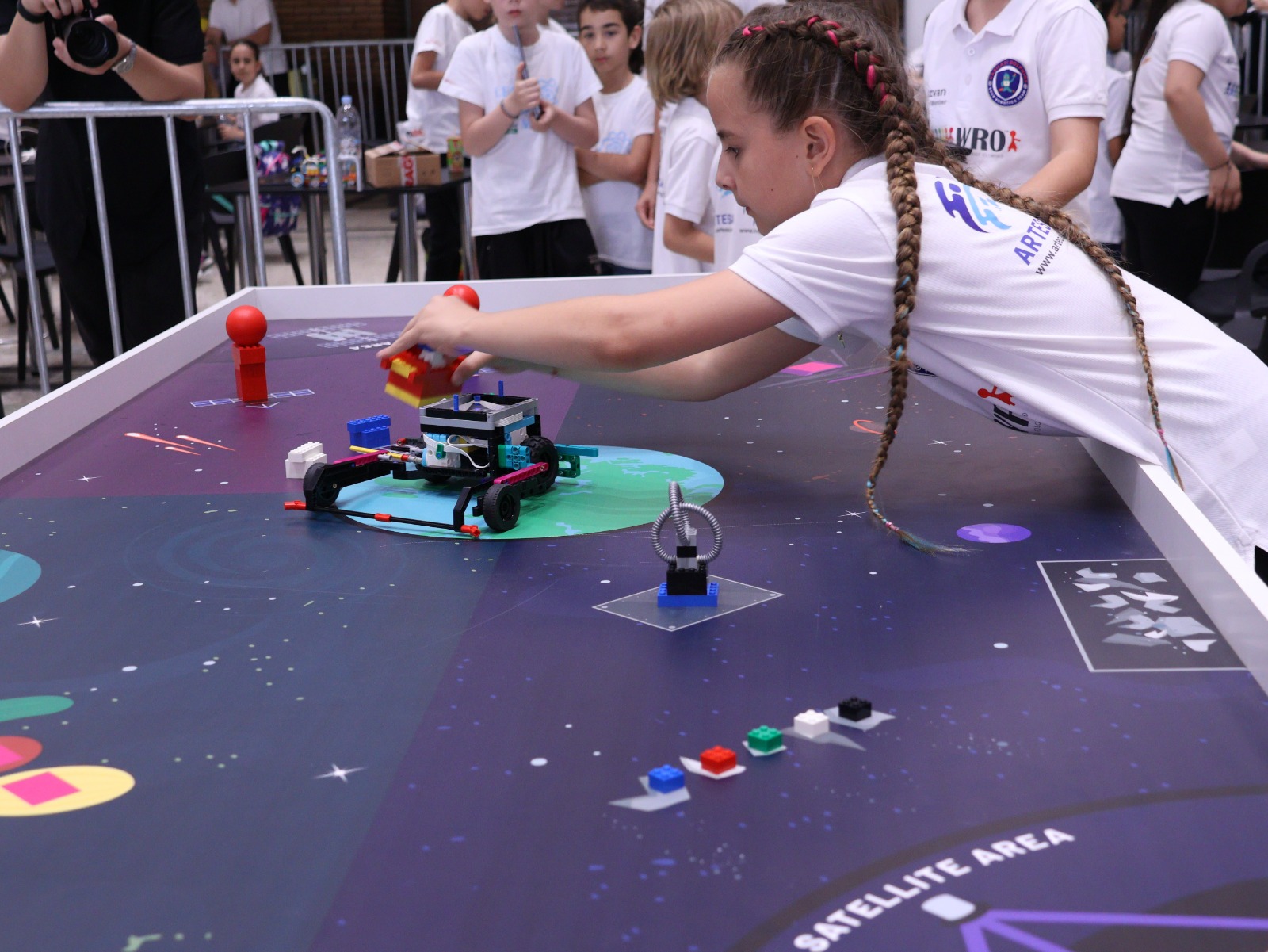
For older children, grades 5–8, the competitions become much more competitive, the pressure to perform increases, and failure can be difficult to handle. In addition, the time and resources required for preparation exceed the capabilities of both the association and the children. For this reason, we have chosen not to force participation in competitions at this level and to keep the focus on learning and the pleasure of working with technology.
We want them to be confident that they can learn things that seem complicated at first. They want them to understand that making mistakes is part of the process and that it's not a failure, but a normal step towards finding a solution.
We want them to remain with the curiosity to ask questions, the perseverance to try again and again, and the satisfaction of seeing their work produce a concrete result. Robotics is often just the pretext through which these things happen.
Certainly, not all of these children will end up working in technology, but regardless of the path they choose, we hope they will no longer be stopped from the start by things that seem "too hard" or "not for them.".
If robotics workshops manage to change even a little bit of restraint into curiosity and fear of failure into trying, then the goal of the RuralBots Initiative project has been achieved.